Bureaucrat
Bureaucracy is like a knife — on its own, it is neither good nor bad. It is just a tool. In a modern state, it is indispensable, yet, at the same time, it poses risks of being abused.
Bureaucracy creates predictability and a rule-based order. A state cannot function on improvisation. Every citizen is required to undergo the same procedure, to live in the same legal conditions, to have the right to the same entitlements. This is a major civilizational step forward, compared to a chaos, where the state’s resources are granted based on mere connections.
Bureaucratic processes create a followable trace: documents, decisions, signatures.
In theory, it is always possible to determine who decided what, and on what basis.
Officials are supposed to act on professional knowledge, not political motivations. This protects the state from chaos arising every time the government changes.
Grants, subsidies, public procurement — without bureaucracy, public funding would be a “wild west”. Rules prevent money from being handed out only to “friends”.
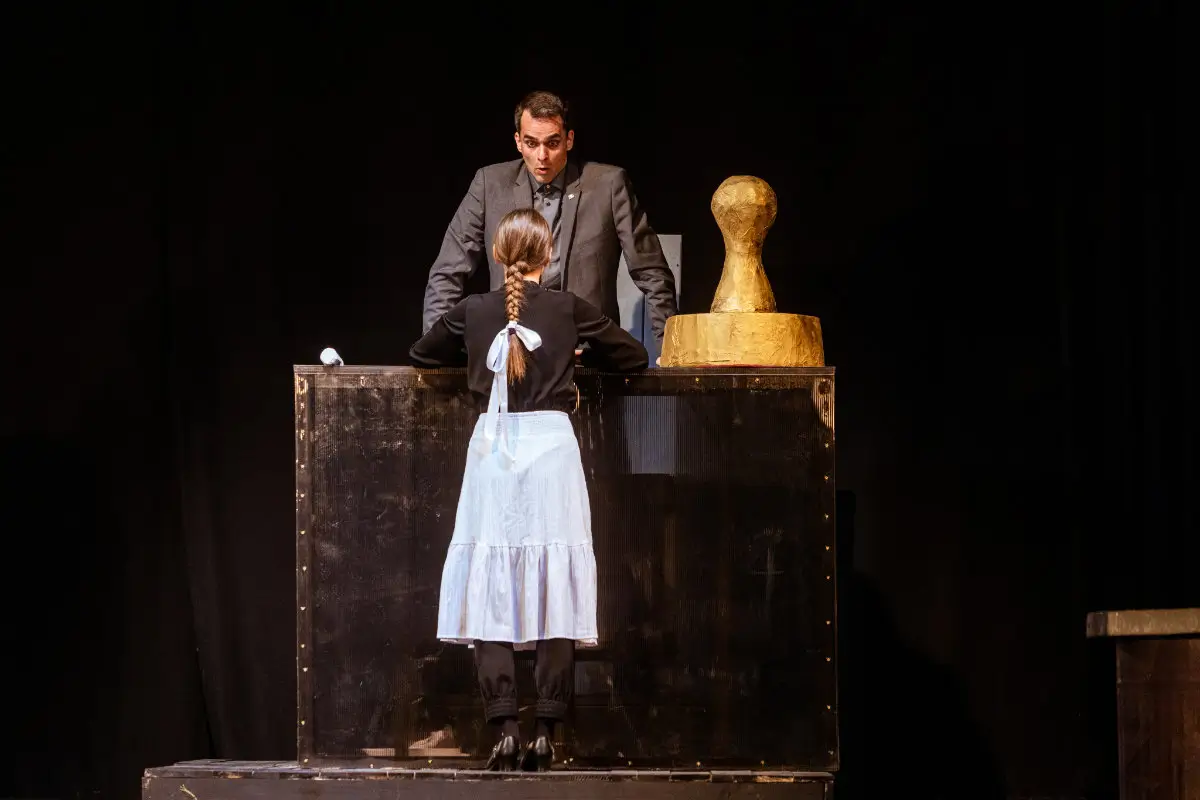
But when bureaucracy detaches itself from reality, it begins to serve itself rather than the people. A person gets lost in paperwork, and the official hides behind the rules. Every step has its precise procedure, every form its signature. The system can become an obstacle to itself.
An official can decide about your life, but you cannot decide about his.
We do not elect officials. They should serve us as our employees.
However, in countries with a strong monarchical tradition, the official is still often perceived as an instrument of power — once of the monarch, today of the anonymous state.
This is why it is sometimes possible for an official to abuse his power.
Abuse arises where power exists without control and rules without transparency.
An official can delay, complicate, or “accidentally” lose documents.
This can influence business, grants, permits, or personal life situations.
If the process is unclear, space emerges for “speeding up” the procedure. Decisions cease to be neutral. The official accepts — or even demands — unjustified advantages arising from his position of power.
Everything depends on the personality and the personal integrity of the official: on his character, honesty, and professional morale. The temptations, however, are great. Power is intoxicating and overwhelmingly seductive.
Where do the sources of personal failure lie? Where does the desire to seize the opportunity and misuse one’s position come from? How far can the destructive conviction of power’s own impunity reach?
About the Production
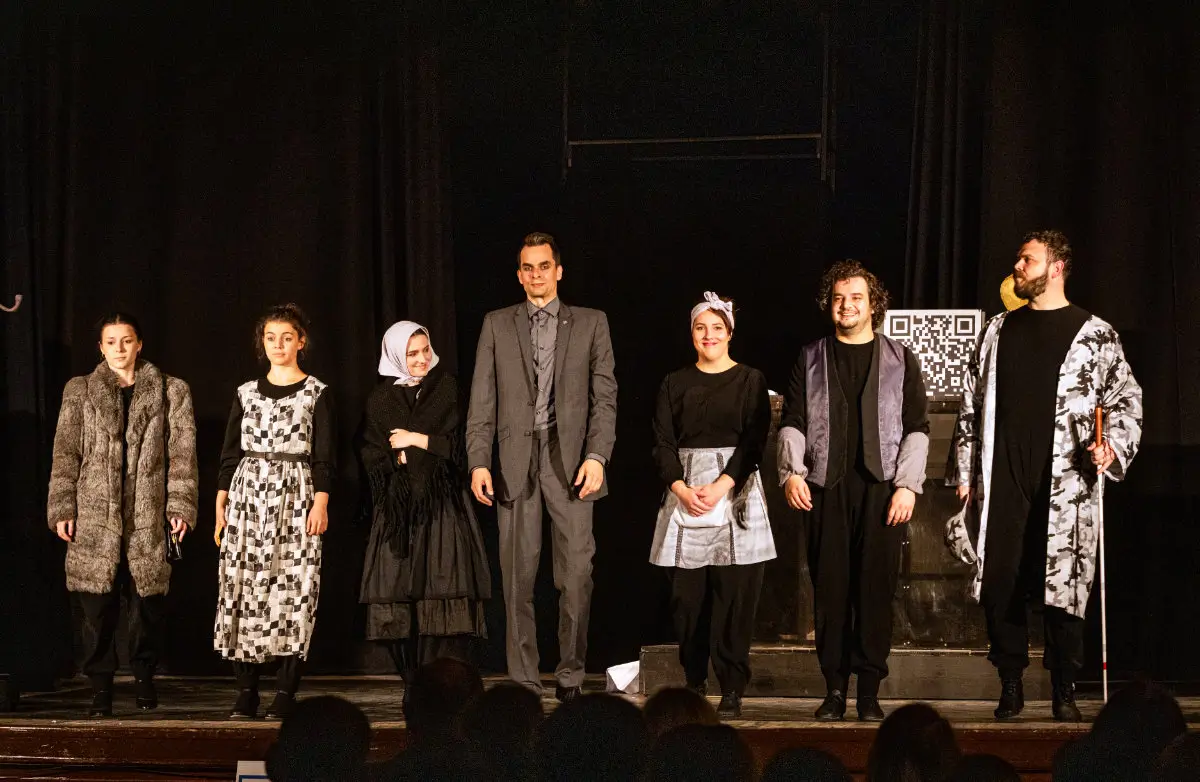
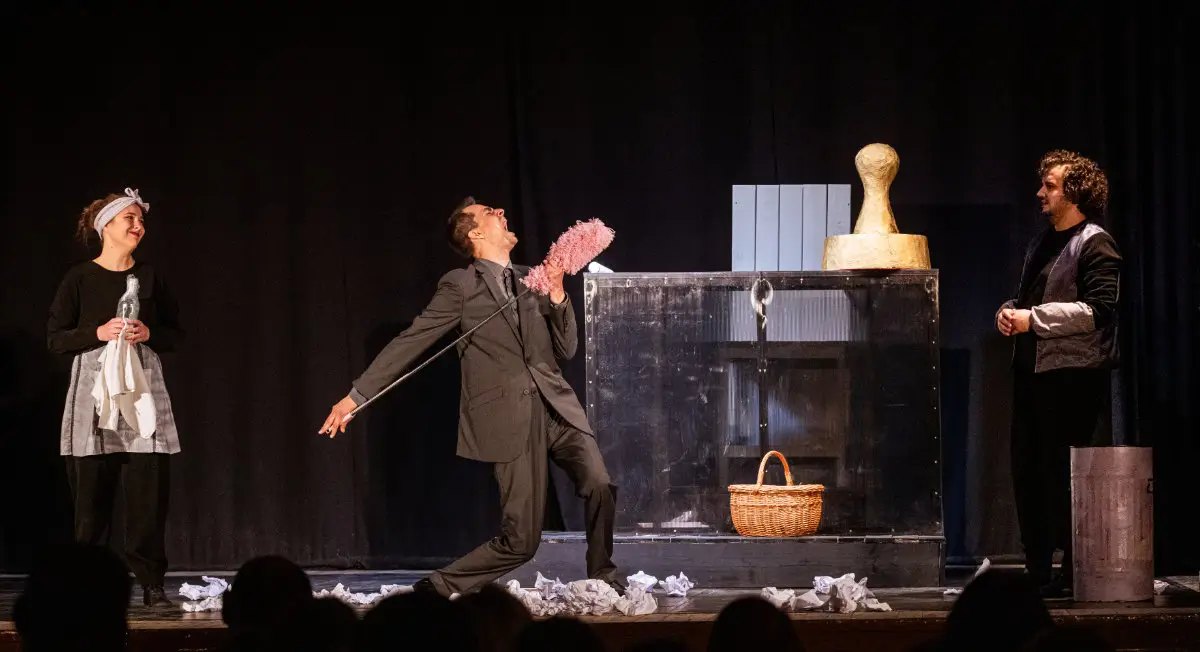
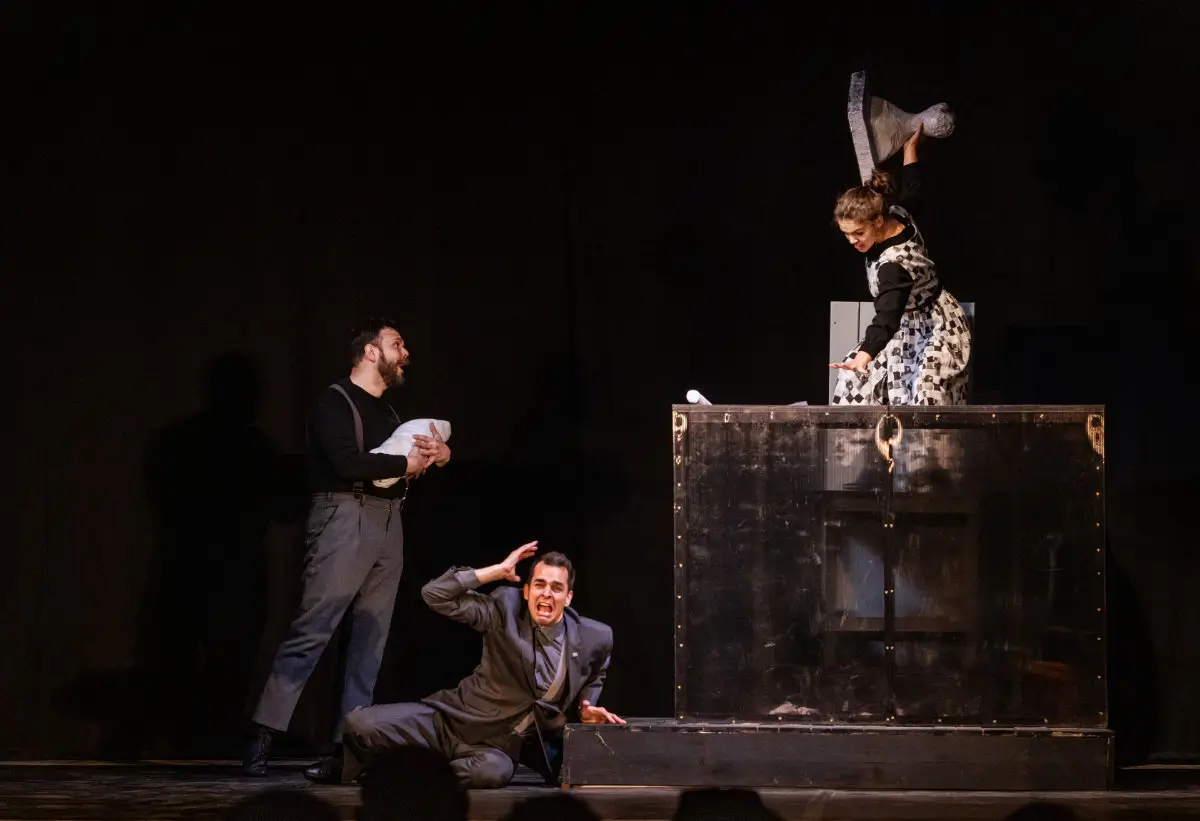
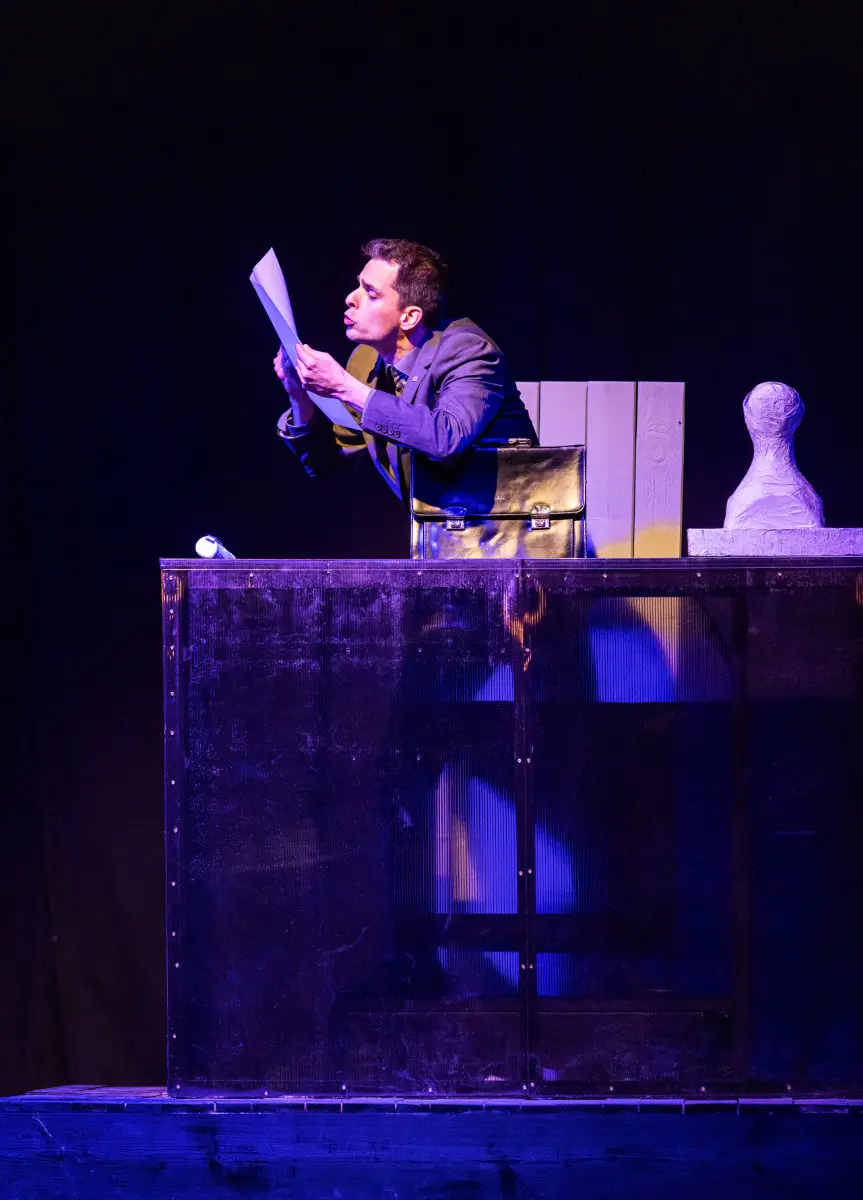
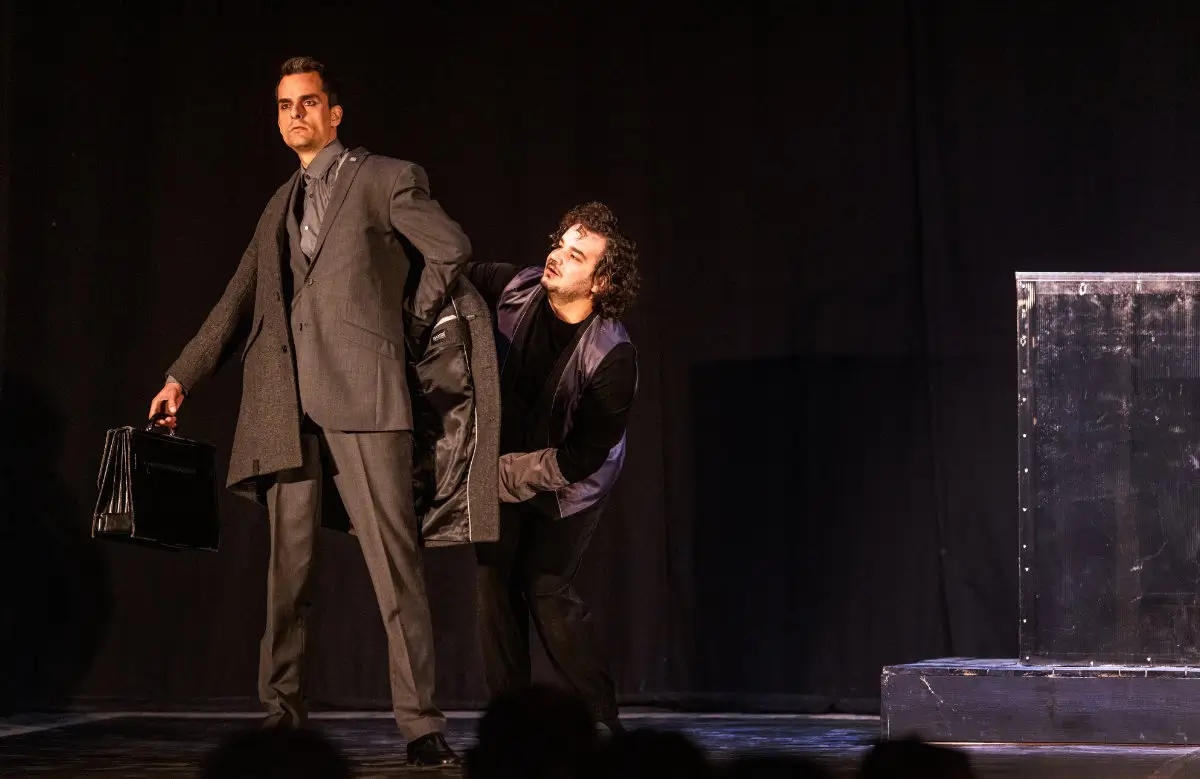
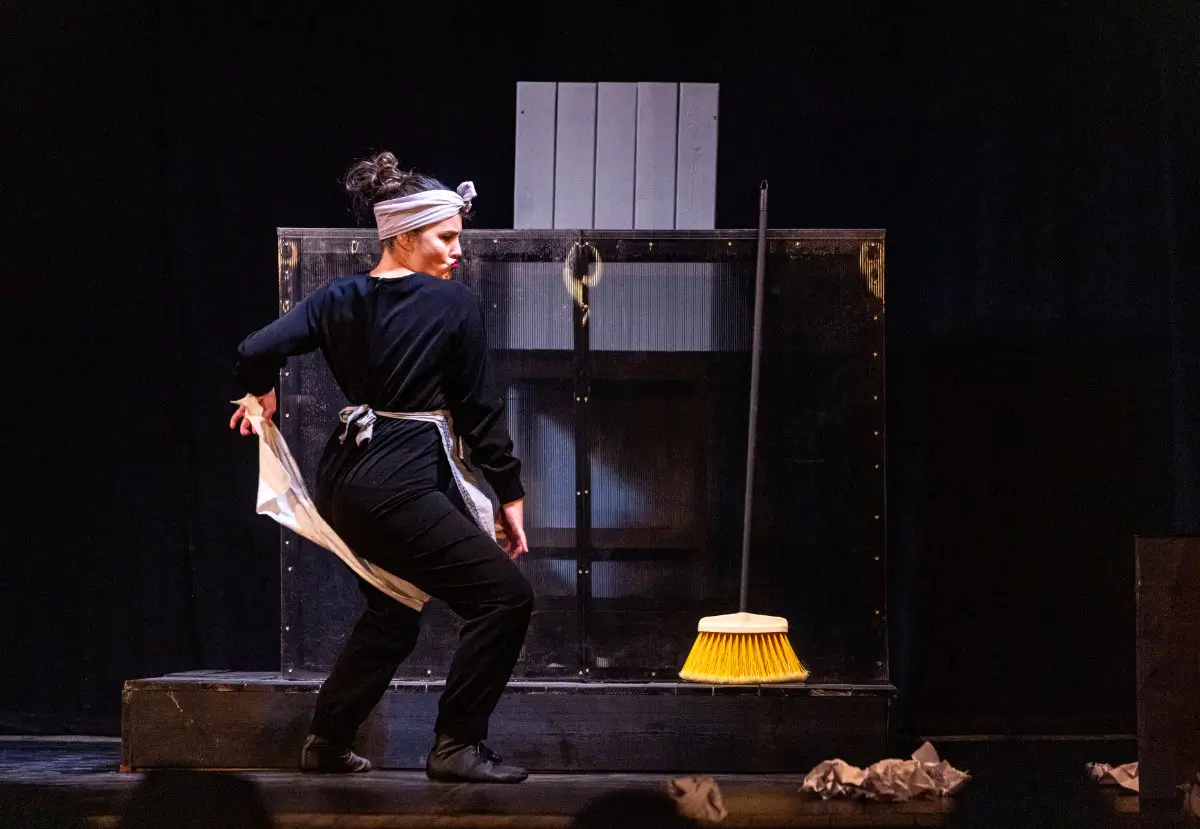
The Municipal Theatre Banská Bystrica presents its first original non-verbal theatre production — a wordless drama with elements of mime and the grotesque, created collectively by graduates of various Slovak art schools.
With live music — an original musical accompaniment by a teacher and students of the Academy of Arts in Banská Bystrica — the ensemble presents an original collective stage work, unique in Slovak conditions.
The project is supported from public funds by the Slovak Arts Council.
The actors in this production are dressed by the fashion brand Pánske obleky BANDI.